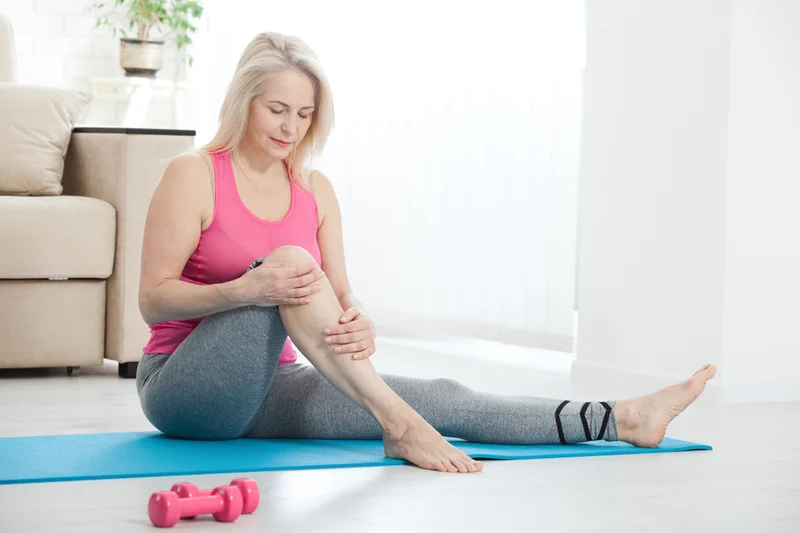
It can be frustrating when you can no longer exercise because of leg pain when you hear phrases such as “no pain, no gain” and “just do it” seemingly everywhere you go. The more difficult it becomes to exercise, the more you struggle with the inability to achieve weight loss and the often resulting anxiety and feelings of despair. Could a vein condition be causing the leg pain and other symptoms that make exercise difficult?
When you experience leg pain during exercise, it’s critical to determine whether it’s a one-time cramp or if you’re dealing with chronic pain that is the result of an underlying vein condition.
Listen to Your Body
Pain is your body’s way of telling you that something is wrong. It could be as simple as an overworked muscle or something more challenging such as chronic pain due to a vein condition.
It’s normal for your muscles to feel sore for a few days after intense exercise. You can also experience discomfort with more moderate activities when you’re not properly conditioned for them. Anti-inflammatory muscle pain relievers such as BenGay or ibuprofen can help as can placing an icepack on your sore muscles.
The pain you feel after exercising when you have a potential vein condition is different from the normal pain of sore muscles. You may even feel like you can’t walk normally due to swelling and bruising. A visit to your doctor is in order if this type of pain doesn’t subside on its own after resting for a day or two.
Elevating your legs and applying an ice pack can help as can taking a non-prescription anti-inflammatory medication. Keep in mind that back pain and leg pain are normal when you overexert yourself with weightlifting, but they shouldn’t go on indefinitely. Checking in with your doctor after a few days can help to get you feeling better sooner.

Adjust Your Exercise to Avoid Overuse Pain
Although you may feel anxious to exercise, jumping right in before you have conditioned your legs can cause significant pain and increase the risk of injury. Here are some steps you can take to avoid this:
- Complete several minutes of warm-up exercises to improve blood flow to your tendons.
- Start off slow and increase exercise time or amount of weight lifted gradually.
- Drink plenty of water to stay hydrated.
- Stretch when you’re done exercising to increase blood flow to your muscles to help them recover.
- You may need to modify your workouts to avoid back injury and joint damage.
Leg Pain and a Vein Condition Are Often Related
Vein conditions typically produce a consistent pain pattern, starting with leg pain. It always feels more uncomfortable when standing, walking for an extended time, or running. You will soon begin to reduce exercise time to compensate for the leg pain.
Another common factor with vein-related leg pain is that it’s worse in the evenings and overnight. Although elevating your legs can help, the pain may be so severe that you can’t sleep. Eventually, the lack of activity can cause you to gain weight. Getting a proper diagnosis and treatment for your vein condition is essential to stop the weight gain and get you exercising again.
Could You Have a Treatable Vein Condition?
It’s important to listen to the messages your body is sending to determine if you’re experiencing good pain or bad pain. If the latter, know that Missouri Vein Care can help.
