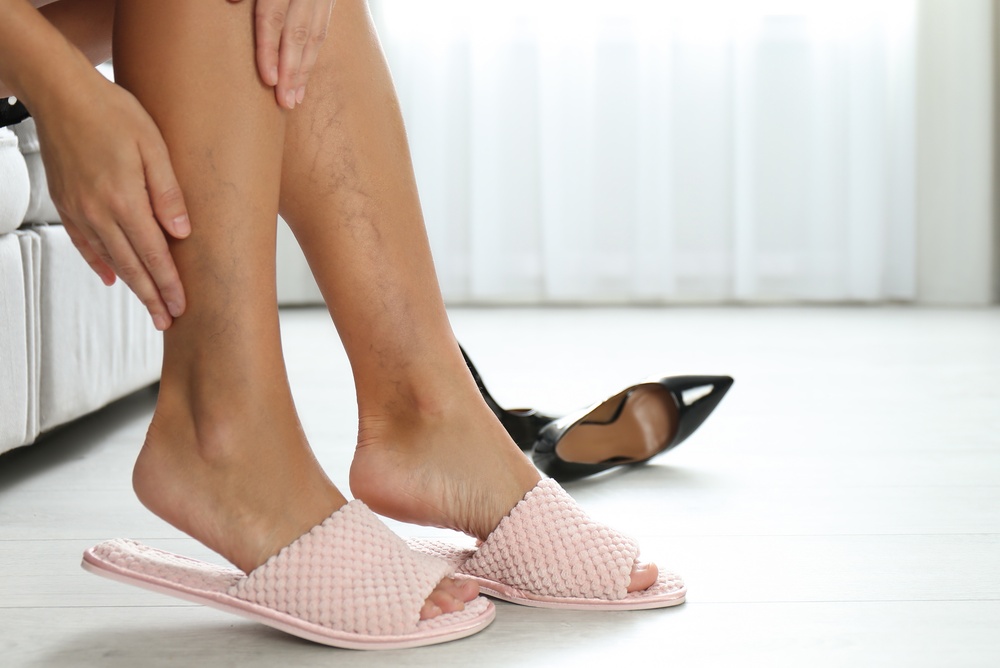
Most people think about their health in terms of eating well, exercising regularly, and keeping up with annual checkups. But one area that’s often overlooked is vein health. While varicose veins and spider veins are commonly viewed as cosmetic concerns, they can actually be signs of an underlying vein disease that may worsen over time if left untreated.
The good news? Taking a proactive approach to your vascular health can help slow the progression of vein disease, reduce symptoms, and improve your overall quality of life. Whether you’re noticing early signs of vein issues or simply want to stay ahead of potential problems, understanding the causes of vein disease and making a few lifestyle adjustments can go a long way.
About Veins and Vein Disease
Your veins return the oxygen-poor blood to the heart. They are flexible, hollow tubes with flaps. Contracting your muscles causes the valves to open and move the blood along. Relax the muscles, and the valves close, preventing the blood from reversing course.
The principal causes of vein disease are:
- Your job. If your job requires you to be on your feet for long periods of time on a regular basis, you will have a higher-than-average propensity to develop varicose or spider veins.
- Pregnancy. During pregnancy, a woman secretes more hormones to the blood. This causes added blood flow and more work for the veins.
- Obesity. That extra belly fat puts more pressure and strain on the veins.
- Aging. While people of any age can suffer from vein disease, it is most common in adults 65+.

Preventing and Treating Vein Disease
Your physician may prescribe elastic compression stockings. Those stockings apply pressure to parts of the legs and feet to assist the veins in moving the blood upward.
Compression stockings tend to help manage symptoms and to some degree the retard the enlargement of the veins. Even with that, symptoms tend to worsen and compound year after year. Also, sufferers can augment the effect of compression stockings by taking horse chestnut extract.
Five Changes in Lifestyle to Combat Vein Disease
1. Maintain a healthy weight and diet.
If you are overweight, consult with your PHCP to discuss healthy strategies for losing weight. Decreasing the pressure on your veins with weight loss will help reduce the progression of vein disease. A generous diet of fruits and vegetables also promotes stronger vein walls.
2. Walking around
Many people have jobs that require long hours sitting. Make time to get up and walk around or invest in a (sitting or standing – contract the calf muscle pump)
3. Get more exercise.
Depending on your physical condition, your doctor will recommend walking, riding a stationary bicycle, or jogging several times a week. The increased activity improves muscle tone in the legs and helps the veins to pump blood back to the heart.
4. Elevate the legs to prevent pooling of blood in the veins.
Take a break after long periods of standing or sitting. If you stand a lot, walk around and move your legs to get the blood circulating. If your sit a lot, use a footstool to elevate your legs.
5. Wear low-heeled shoes and loosely fitting clothing.
High-heeled shoes impede blood flow in the legs. Tight clothing restricts blood flow and increases the risk of vein disease.
6. Compression stockings (help with symptom progression)
Compression stockings remain one of the most effective non-surgical tools for managing vein disease symptoms. Consistent use can reduce leg fatigue, swelling, discomfort, and heaviness while helping slow symptom progression.
The Bottom Line
Your road to a healthier life away from the discomfort and embarrassment of vein issues is here at Missouri Vein Care. There is hope! You can sleep better, be more active, and rid yourself of unsightly varicose veins.
