
Leg cramps can cramp your lifestyle
If you get them, you know they come on suddenly and hurt like crazy. Even after the cramp subsides, the pain doesn’t.
You know what it’s like to be woken from a sound sleep only to leap out of bed, hopping on one foot while the other cramps mercilessly.
What you may not know is that there is often a direct connection between leg cramps and a vein condition.
What is a leg cramp?
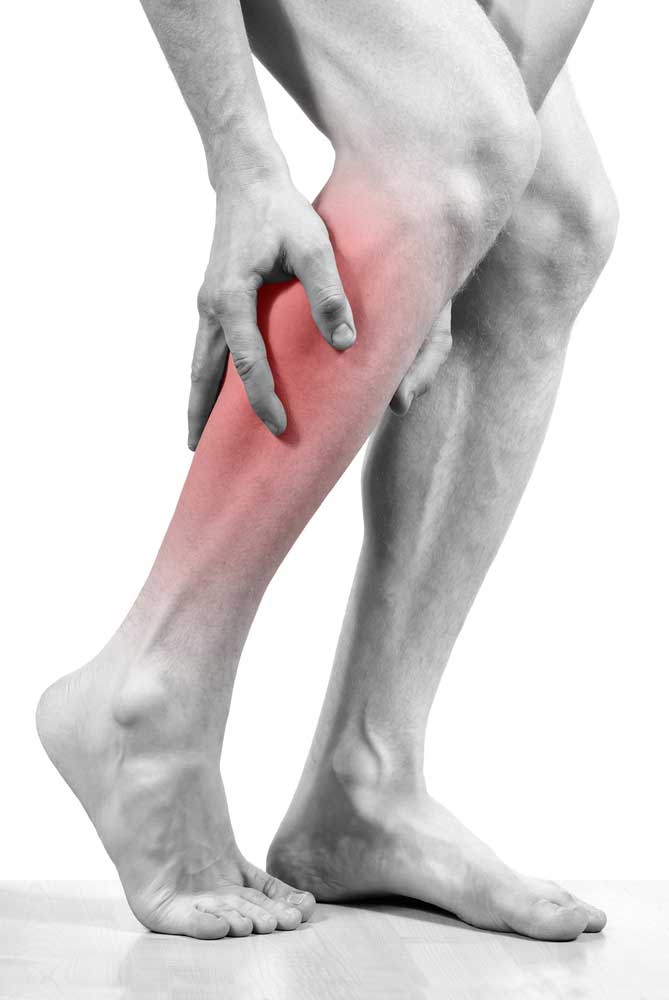
Leg cramps are painful involuntary contractions of the thigh, calf, or foot muscles and are incredibly painful. They always start when the muscle is in a non-stretched position and worsen when you contract (tighten) the muscle. They happen at any time, awake or asleep. When the cramp starts it is not possible to voluntarily relax the muscle, it needs to be stretched to break the cycle. The leg cramp stops when the muscle is completely exhausted or when you are able to stretch the muscle.
Many people don’t realize that leg cramps follow the same pattern as a vein condition. The biggest clue to determine if your leg cramps are the result of a vein condition is, even if they occur during the day, they always come on at night.
Leg cramps muscle pain can strike suddenly, often as calf cramps or muscle cramps in legs that tighten without warning. These may be a side effect of certain medications, or caused by nocturnal leg cramps during sleep. Other risk factors include dehydration, poor circulation, or nerve conditions like restless legs syndrome. The muscles in your leg may spasm from overuse or strain, leading to discomfort in the legs and feet. Gentle stretching and massaging, regular calf stretching, and addressing underlying medical conditions such as high blood pressure can help prevent cramps. Always talk to your doctor if cramps persist.
How to Stop a Leg Cramp
When a cramp starts, the muscle is always relaxed. Most people have specific muscles that cramp repeatedly, so keep that muscle stretched before bed. Muscles in the body occur in pairs and oppose each other. When you feel a cramp starting, try not to contract the cramping muscle which will worsen the cramp, but instead, contract the muscle opposing it. This will stretch out the cramping muscle.
Caring for Your Leg After a Cramp Subsides
Once a leg cramp finally subsides, it’s helpful to follow a few easy steps, as the pain of a leg cramp is intense and tends to linger due to the overexertion of the muscles.
- Massage your muscles after it stops to help get the blood flowing to the muscle
- Stand, stretch, and walk to stretch the affected muscles
- Stay hydrated and drink plenty of water
- Avoid heavy bedding or bedding that is tightly tucked in
- Apply a heating pad
- Drink a small amount of pickle juice and see our blog post for additional home remedies our patients have suggested
- Take an over-the-counter pain reliever – Tylenol (acetaminophen), ibuprofen, or Aleve.
The connection Between Leg Cramps and a Vein Condition
Up to 60% of people get leg cramps. They are most common in the calf muscle, but can also occur in the feet or thigh. After years of treating vein conditions in my practice, I have noted that vein conditions and leg cramps follow a similarly consistent pattern. I have also seen patients, who have suffered from severe leg cramps for years, finally find relief after the first vein treatment. This medical observation plus my experience in seeing the difference that vein treatment makes has led me to conclude that there is a definite connection between leg cramps and a vein condition.
Working in vein care, I commonly see patients suffering from frequent leg cramps at night. I find that the most common reason for these cramps is, in fact, due to a vein reflux condition. Patients with vein reflux will experience leg cramps almost always at night – which is the primary indicator that a vein condition is the root cause. The good news is that vein reflux can be easily treated, and most patients see a huge difference in symptoms the first night after their treatment. A vein condition is the same source for the problem of varicose veins, spider veins, sleeplessness, and a host of other problems stemming from vein reflux.
To find out if your symptoms may be connected to a vein condition, our quick (and free) online self-assessment will guide you to understand more about what may be happening and why. You can also schedule a free vein screening in one of our clinics.
Leg cramps due to a vein condition can occur in multiple locations, not just the calf muscle. Patients tell me they experience leg cramps in the thigh (inner or outer), calf (front or back), and foot. The most painful ones are in the inner thigh because there’s no way to stretch or make it disappear.
How to Stop a Leg Cramp in 15 Seconds
Below is a video demonstration that I share about a method for stopping a leg cramp quickly. In it, I show you where to apply pressure to your leg during a cramp and explain why this method works. It interrupts the muscle’s contraction and stops it before lactic acid can build up and cause extreme pain.
Leg cramps are common, but that doesn’t mean they should be considered normal. While dehydration, overuse, and other factors can contribute to cramping, many people who struggle with recurring leg cramps for months or even years are actually experiencing symptoms of an underlying vein condition called vein reflux. When blood pools in the legs instead of circulating properly, it can contribute to inflammation, discomfort, restless legs, and painful nighttime cramping.
The good news is that vein reflux is highly treatable, and many patients experience significant improvement in their leg cramps after treatment. If you regularly suffer from leg cramps, a free vein screening can help determine whether a vein condition is contributing to your symptoms and what treatment options may be available to help you find lasting relief.