

Blood pooling in the legs is another name for chronic venous insufficiency, the medical term for poor vein circulation in the legs. It happens when tiny valves inside your leg veins stop closing properly, so blood slips backward and collects in your lower legs and ankles. Blood pooling is not life-threatening, but it causes fatigue, swelling, cramps, itching, and skin changes. It gradually worsens each year until the underlying vein problem is treated.
Have you noticed that your legs feel heavy and tired by late afternoon, even on days when you haven’t done much? Maybe you head for the recliner every evening and find it harder and harder to get back up. Many women assume this is simply part of getting older. As I often observe in my practice, though, these everyday complaints often trace back to one source: blood pooling in the legs. The encouraging part is that it is very treatable.
Key Takeaways
- Blood pooling is a circulation condition. It’s another way to describe chronic venous insufficiency, where faulty vein valves let blood collect in the lower legs.
- It isn’t dangerous, but it is progressive. Blood pooling doesn’t threaten your life or your legs, but it gets a little worse every year.
- Inflammation drives the symptoms. Stagnant blood triggers inflammation, which leads to fatigue, burning, itching, swelling, and nighttime cramps.
- You may not see it. Early stages often bring symptoms without any visible veins. Varicose veins and brown skin staining usually signal a more advanced condition.
- Compression helps, but it doesn’t cure. Stockings ease symptoms and are often required by insurance, but they won’t stop the condition from advancing.
- Treatment restores healthy circulation. Minimally invasive vein treatments reroute blood to healthy veins, and many patients are surprised to get their energy back.
What Causes Blood Pooling in the Legs?
Your leg veins have a big job. They carry blood uphill, against gravity, back to your heart. To make that possible, they contain tiny one-way valves. Picture a series of small doors that swing open to let blood through and then shut behind it so it can’t slide back down.
When those valves stop closing properly, blood leaks backward and settles in the veins of your lower legs and ankles. That stagnant blood is what we mean by blood pooling. Your body reacts to it with inflammation, and that inflammation is behind most of the symptoms you feel.
Let me reassure you about one thing. Blood pooling is not a dangerous condition. It doesn’t cause dangerous blood clots, and it doesn’t cause people to lose their legs. It does, however, affect how you feel every day. In the early stages, symptoms are fairly mild. A vein condition doesn’t go away on its own, though. It always gets a little worse each year.
What Are the Symptoms of Blood Pooling?
Why Does Blood Pooling Make You So Tired?
Fatigue is one of the most common symptoms, and one of the most overlooked. Stagnant blood creates inflammation, and inflammation drains your energy. Many patients tell me they simply can’t do what they used to. They need frequent breaks, and the tiredness builds as the day goes on, peaking in the evening when inflammation is greatest.
Sleep often suffers too. Leg discomfort and inflammation keep you from resting well, so you wake up tired and the cycle of exhaustion repeats itself.
Can a Vein Condition Cause Weight Gain?
Yes, and it catches many people off guard. When a vein condition goes on too long, fatigue deepens and legs become swollen and painful. People skip exercise and step back from activities like walking, household chores, or playing with their grandkids. With fewer calories burned, unwanted weight creeps on, often around 10 to 15 pounds a year.
Why Do My Legs, Ankles, and Feet Swell and Feel Tight?
Heavy, swollen legs are a classic sign of blood pooling. The discomfort can become painful enough that you have to stop, sit down, and prop up your legs. Most people feel better in the morning, but the swelling and tightness return each day and are worse by evening.
What Causes Burning, Itching, or Stinging in the Lower Legs?
Pooled blood in your feet and lower calves irritates the small nerves in your skin, which creates burning, stinging, and pain. Itching comes from inflammation, too. Normally, inflammation helps your body heal. With a vein condition, though, it’s constant and unhelpful. The itching can become so intense that some people scratch until they leave marks on their calves and feet.
Are Nighttime Leg Cramps Linked to Vein Problems?
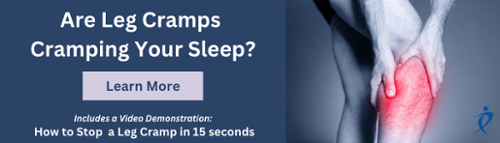
If your leg or foot cramps happen mostly in the evening or at night, there is a very clear link to a vein condition. Many healthcare providers don’t realize that these cramps are often tied to blood pooling, and that they typically go away after vein treatment.
What Do Spider Veins and Varicose Veins Tell You?
In the early stages, you may notice tiny spider veins, especially around your inner ankles. As blood pooling progresses, larger varicose veins may begin bulging beneath the skin. Varicose veins usually point to a more advanced, long-standing condition. Keep in mind that many people have significant symptoms long before any veins become visible.
Why Does Brown Skin Staining Appear?
Brown discoloration around your calves and ankles signals an advanced vein condition. This is called hemosiderosis, or skin staining. It happens when pooled blood leaks out of the veins into nearby tissue and leaves a rusty stain behind. Left untreated, the inflammation can become severe enough to cause skin sores in extreme cases.
Will Vein Treatment Stop Blood Pooling?
Yes, and because blood pooling worsens over time, it’s wise to treat it sooner rather than later. The good news is that after treatment, circulation can return to normal and symptoms go away. Today’s treatments are easy on patients and very effective. If you recognize several of the symptoms above, you likely have chronic venous insufficiency. Here are the next steps we recommend.
Should You Try Compression Stockings First?
We recommend compression stockings. Most insurance companies require you to wear them for a period of time before approving treatment, so they’re a practical first step. Most people find they provide some relief and help them stay active. However, they won’t make the condition go away or keep it from worsening.
How Do Minimally Invasive Vein Treatments Work?
Vein treatments get to the source of the problem by closing off the abnormal veins that aren’t working. Options such as endovenous ablation and sclerotherapy are performed right in our office, involve little to no discomfort, and allow a quick return to your routine. Your body simply reroutes blood to healthy veins nearby. Circulation speeds up, blood pooling goes away, and symptoms improve significantly or disappear.
The biggest surprise for most patients? Their energy returns, and they can enjoy life’s activities again. Our team creates a personalized treatment plan for your health and aesthetic goals, follows up with you closely, and works directly with your insurer to keep the process simple.

Take the First Step Toward Lighter, Healthier Legs
You don’t have to accept tired, heavy, aching legs as your new normal. If you’re living with fatigue, swelling, nighttime cramps, itching, or skin changes, a simple evaluation can reveal what’s happening beneath the surface. Schedule your free vein screening at Missouri Vein Care today, and let our expert team help you feel like yourself again.
Frequently Asked Questions
Is blood pooling in the legs dangerous?
No. Blood pooling is not life-threatening and doesn’t cause dangerous blood clots or limb loss. It does progress over time and can seriously affect your energy, comfort, and skin health.
Can blood pooling go away on its own?
No. A vein condition doesn’t resolve by itself. It gradually worsens each year until the faulty veins are treated.
Why are my symptoms worse in the evening?
Blood collects in your lower legs throughout the day as you stand and sit. By evening, pooling and inflammation peak, so heaviness, swelling, and fatigue feel strongest.
Can I have blood pooling without varicose veins?
Yes. Many people have fatigue, swelling, cramps, or itching without any visible veins. Varicose veins usually appear later as the condition advances.
Will compression stockings fix blood pooling?
They help ease symptoms and are often required by insurance before treatment, but they won’t cure the condition or stop it from progressing.
What happens to my blood flow after vein treatment?
Once the faulty veins are closed, your body reroutes blood through healthy veins. Circulation improves, pooling stops, and most patients notice their symptoms fade.
Should I talk to my primary care provider first?
Your primary care provider is a great resource, but you can also schedule a free vein screening with Missouri Vein Care directly to find out if a vein condition is behind your symptoms.
